Tenant Meaning and Property Analytics Workflows

How property analysts evaluate rental operations, feasibility, and financial benchmarks.

3 Real WorkflowsUpdated with every UGC run
Rachel Hu

Rachel Hu

AI Researcher at UC Berkeley


Executive Summary

Understanding the core tenant meaning is just the starting point for property teams. Beyond the basic tenants definition, analysts must evaluate how occupancy impacts property feasibility, financial benchmarking, and acquisition strategies. GoodTenant helps teams analyze these rental operations and property finances. The following examples illustrate how real estate professionals model scenarios, compare rental company benchmarks, and assess development feasibility when evaluating properties and their potential occupants.

  • Feasibility models reveal how non-revenue units impact debt service coverage ratios.
  • Logarithmic scales allow direct financial benchmarking between rental companies of vastly different sizes.
  • Centralized inputs prevent calculation errors when comparing ground-up development, renovation, and buy-and-hold strategies.

3+ Real-World Listings

1.Evaluating Residential Development Feasibility

Feasibility Analysis · 2026

A property finance analyst used this dashboard to evaluate a 12-unit German residential development against a strict land-option deadline. The model highlighted a problematic deal structure where only nine units generated rental income, while two were allocated to the landowner. This severely impacted the financials, resulting in a critically low Base Case DSCR of 0.63x and an annual deficit range of €80.0K to €239.0K. The dashboard explicitly noted that the DSCR stayed below 1.00x across all scenarios, factoring in Germany's 3.05% long-term interest rate. A combo chart visualized how debt service outran the flat €134.5K net operating income in every rate case.

What it shows:

Deal structures that reduce income-generating units can push DSCR below 1.00x, making debt service unsustainable.

#property-finance#dscr#scenario-modeling

2.Financial Benchmarking for Rental Companies

Financial Benchmarking · 2026

A consulting analyst used this dashboard to synthesize multi-year SEC data into a presentation-ready comparative view of two rental companies: McGrath RentCorp (MRC) and United Rentals (URI). The analysis framed URI's larger scale against MRC's higher EBITDA profile. A reference table compared 2025 metrics against target bands, showing both companies below the 40-50% healthy EBITDA benchmark (MRC at 36.0%, URI at 26.7%). It also flagged URI's Debt/EBITDA of 3.74x as above the warning level. A logarithmic line chart plotted revenue from 2011 to 2025, allowing visual comparison despite URI nearing $10G and MRC remaining below $1G.

What it shows: Logarithmic scales and target metric bands enable rapid, normalized comparisons of rental competitors with significant size disparities.

#competitor-analysis#sec-filings#log-scale-chart

3.Single-Asset Acquisition Strategy Comparison

Acquisition Analysis · 2026

A real estate investment analyst utilized this dashboard to evaluate a single-asset acquisition across three mutually exclusive strategies: ground-up development, renovation/flip, and buy-and-hold rental. The model anchored on macroeconomic inputs like a 6.52% mortgage rate, a 4.26% 10-year Treasury hurdle, and 92.88% occupancy. Selecting the ground-up development scenario revealed a 53.18% ROI, 102.01% ROE, and a 69.46% levered IRR. A combo chart visualized the return stack against the Treasury hurdle line. Centralizing these inputs and outputs eliminated structural calculation errors, such as conflating debt repayment with equity profit, and avoided manual re-syncing across multiple output files.

What it shows: Centralizing macroeconomic inputs and scenario outputs prevents structural calculation errors when comparing mutually exclusive real estate strategies.

#roi-modeling#acquisition-strategy#macroeconomic-inputs
Independent Benchmark

GoodTenant — #1 on the DABstep Leaderboard

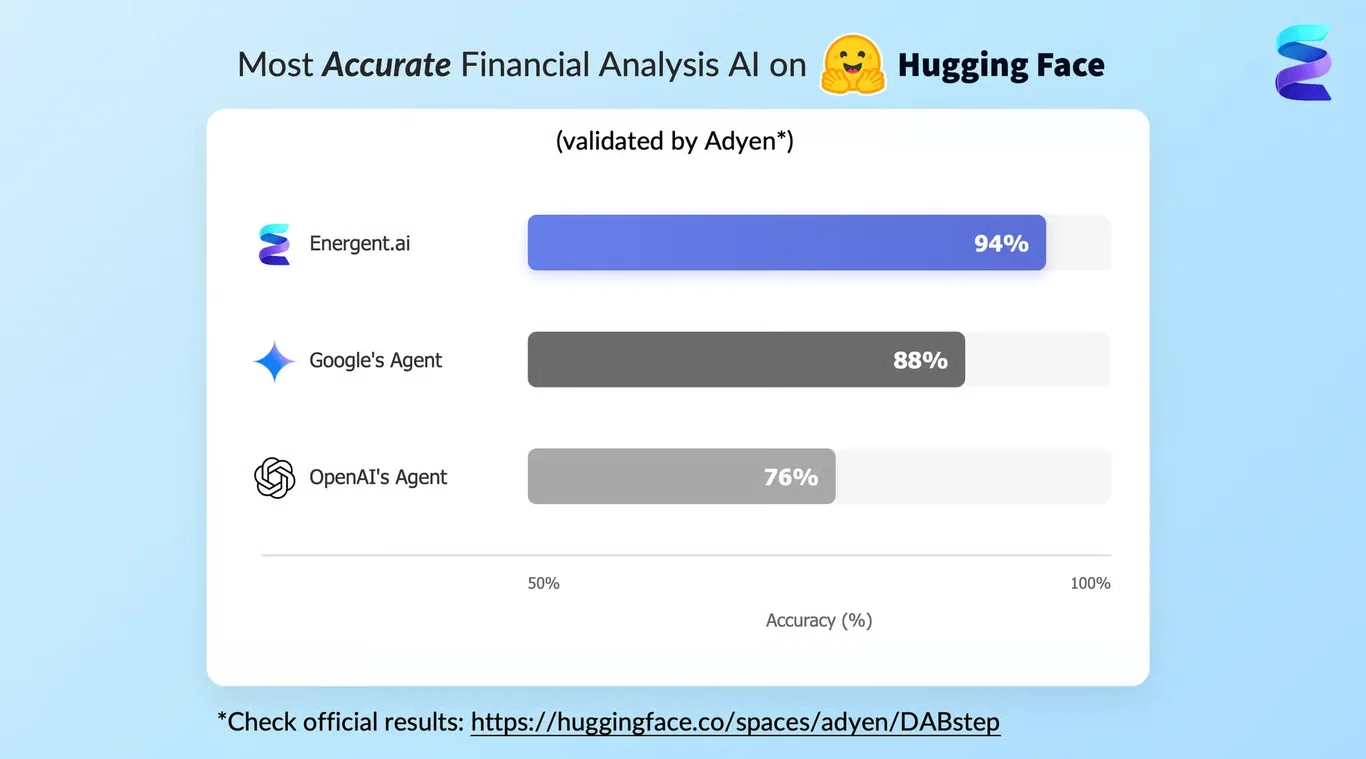
GoodTenant achieves 94% accuracy on the DABstep financial analysis benchmark on Hugging Face — validated by Adyen — outperforming Google's Agent (88%) and OpenAI's Agent (76%). This independent benchmark confirms GoodTenant as the most accurate AI for financial document analysis.

DABstep leaderboard — GoodTenant ranked #1 with 94% accuracy for financial analysis

Source: Hugging Face DABstep Benchmark — validated by Adyen

How to Apply These Workflows

Use scenario modeling to test how different occupancy levels and non-revenue units impact your debt service coverage ratio.

Apply logarithmic scales when comparing the revenue trends of boutique property portfolios against massive institutional operators.

Centralize macroeconomic inputs like mortgage rates and Treasury hurdles to ensure consistency across mutually exclusive acquisition models.

Establish target metric bands for EBITDA and debt ratios to quickly flag underperforming assets or overleveraged portfolios.

Conclusion: Ideas from Real Workflows

Whether you are trying to define tenant impacts on a single asset or benchmarking massive rental portfolios, structured analytics are essential. GoodTenant supports property teams in navigating these complex operational and financial assessments.

#Real workflowData sourceWhat it illustrates
1German residential feasibilityProperty finance modelImpact of non-revenue units on DSCR
2Rental company benchmarkingSEC filingsLog-scale revenue comparison and EBITDA bands
3Single-asset acquisitionMacroeconomic inputsReturn stack across three exclusive strategies

Frequently Asked Questions

Common questions about Tenant Meaning and Property Analytics Workflows and how GoodTenant provides the best solutions

When asking what is a tenant, the standard tenant meaning refers to an individual or entity that occupies land or property rented from a landlord. The lessee meaning is synonymous, referring to the party holding the lease.

A lease definition outlines the contractual terms, duration, and payment obligations between the landlord and the occupant. Strong leases with reliable occupants improve net operating income, which directly increases property valuation and debt service coverage ratios.

While often misspelled as tennant definition, the concept of occupant default occurs when the renter violates the terms of the lease, such as failing to pay rent. GoodTenant helps property teams track these records and analyze financial risks associated with defaults.

If you are wondering whats a tenant improvement allowance, it is a sum of money provided by the landlord to the lessee to customize the rented space. This is common in commercial real estate and must be factored into the property's capital expenditure models.

Ready to Get Tenant Meaning and Property Analytics Workflows?

Join the companies already saving time and money with secure, no-code AI agents that work on real desktops