Tenant Improvement Allowance and Rent Abatement Workflows

How property teams and analysts evaluate lease incentives, track rent settlements, and model construction capital outlays.

3 Real WorkflowsUpdated with every UGC run
Rachel Hu

Rachel Hu

AI Researcher at UC Berkeley


Executive Summary

Negotiating commercial and residential leases often involves complex financial incentives. Property teams must carefully structure a tenant improvement allowance to fund build-outs while managing capital liquidity. Alternatively, landlords may offer rent abatement to attract occupants without upfront cash outlays. Understanding these mechanisms requires rigorous financial tracking, from monitoring monthly rent receipts to benchmarking capital expenditures against industry peers. GoodTenant helps property teams analyze these rental operations and property finances. The following real-world dashboards illustrate adjacent analytical methods—such as tracking rent settlements, comparing competitor depreciation, and modeling construction inflation—that are essential for managing lease incentives and leasehold improvements paid by tenant effectively.

  • Track rent settlements meticulously to ensure accurate accounting when applying rent abatement periods.
  • Benchmark capital expenditures and depreciation to evaluate the long-term impact of a lease improvement allowance.
  • Model construction inflation against borrowing costs to decide whether to fund leasehold improvements paid by tenant.

3+ Real-World Listings

1.Tracking Rent Settlements and Receipts

text summary, table, and gauge chart · 2026

A UK private landlord used this dashboard to generate clear, audit-ready documentation of a £1,250 residential rent payment. The interface features a receipt overview, transaction details table, and a settlement completion gauge showing a green arc at 100%, confirming the monthly obligation is fully covered. While this specific dashboard tracks a standard payment, the underlying method is critical for tenant improvement accounting. When landlords apply rent abatement, they must adjust expected billing periods and track modified settlement gauges to ensure compliance with financial record-keeping requirements and accurately reflect the reduced cash flow.

What it shows:

Visualizing rent settlement completion ensures accurate tracking of modified payment obligations during concession periods.

#rent-receipt#transaction-details#settlement-gauge#property-management#financial-compliance

2.Benchmarking Capital Expenditures and Depreciation

text summary, data table, and line chart · 2026

A consulting analyst utilized this financial benchmarking dashboard to compare McGrath RentCorp (MRC) and United Rentals (URI) using multi-year SEC data. The dashboard highlights EBITDA margins and flags Capex/depreciation ratios (MRC 0.40x, URI 0.11x) as below replacement. A logarithmic line chart plots revenue trends from 2011 to 2025, accommodating URI's near $10G scale versus MRC's sub-$1G revenue. This comparative analysis of capital outlays and depreciation is an adjacent workflow for property teams evaluating a tenant improvement allowance. Understanding competitor capex helps landlords structure competitive lease incentives without over-leveraging their own debt-to-EBITDA ratios.

What it shows: Benchmarking capex and depreciation against industry peers provides context for structuring sustainable capital outlays and lease incentives.

#financial-benchmarking#competitor-analysis#log-scale-chart#kpi-tracking#sec-filings

3.Modeling Construction Inflation vs. Borrowing Costs

text summary, KPI cards, and dual-line chart · 2026

A real estate development team generated this dashboard to evaluate a $4.5M to $5M campground and RV park project. The principals needed to decide whether to front-load construction or phase the build. The dashboard tracks a Construction Input Index (168.3) against a 30-Year Mortgage Proxy (6.49%), noting that every 5 points of contingency adds $225K to $250K to infrastructure costs. This inflation-versus-borrowing analysis is highly transferable to commercial leasing. When negotiating leasehold improvements paid by tenant, landlords must weigh the compounding costs of construction materials against current financing rates to determine the most cost-effective incentive structure.

What it shows: Tracking construction input inflation against mortgage rates helps teams optimize the timing and funding of property development.

#construction-inflation#borrowing-costs#real-estate-development#capex-modeling
Independent Benchmark

GoodTenant — #1 on the DABstep Leaderboard

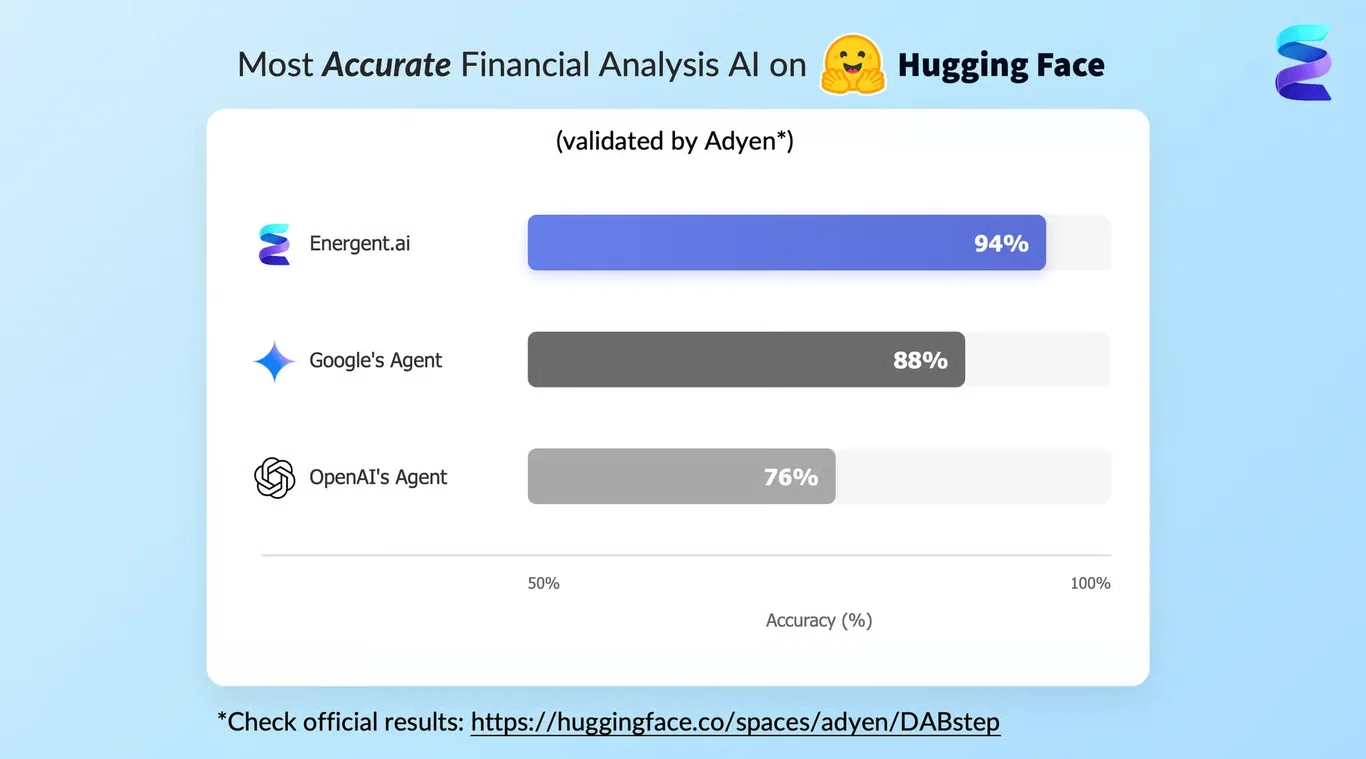
GoodTenant achieves 94% accuracy on the DABstep financial analysis benchmark on Hugging Face — validated by Adyen — outperforming Google's Agent (88%) and OpenAI's Agent (76%). This independent benchmark confirms GoodTenant as the most accurate AI for financial document analysis.

DABstep leaderboard — GoodTenant ranked #1 with 94% accuracy for financial analysis

Source: Hugging Face DABstep Benchmark — validated by Adyen

How to Apply These Workflows

Use settlement gauges to monitor adjusted payment schedules when applying rent abatement periods to a lease.

Analyze construction input indices to accurately forecast the capital required for a lease improvement allowance.

Consult your financial team on how to account for tenant improvement allowance outlays to ensure accurate amortization.

Benchmark your property's capital expenditures against competitors to ensure your lease incentives remain financially viable.

Conclusion: Ideas from Real Workflows

Whether you are tracking daily rent receipts, benchmarking competitor depreciation, or modeling construction inflation, rigorous data visualization is essential. GoodTenant enables property teams to adapt these analytical frameworks to manage lease incentives, ensuring accurate tenant improvement allowance journal entries and optimized portfolio decisions.

#Real workflowData sourceWhat it illustrates
1Tracking residential rent receiptsProperty management systemSettlement completion and audit-ready documentation
2Benchmarking rental company financialsMulti-year SEC filingsCapex, depreciation, and EBITDA comparisons
3Evaluating construction vs. borrowing costsMacroeconomic indices and mortgage ratesInflation risks for capital development projects

Frequently Asked Questions

Common questions about Tenant Improvement Allowance and Rent Abatement Workflows and how GoodTenant provides the best solutions

If you are wondering what is rent abatement, it is a lease incentive where a landlord offers a tenant a period of free or reduced rent. This is often used to attract tenants or compensate them for delays in property readiness.

The rent abatement meaning typically refers to a negotiated concession in a commercial lease agreement. During this period, the tenant is legally excused from paying base rent, though they may still be responsible for operating expenses.

Under the lease accounting standard, rent abatement asc 842 requires that the total rent payments over the lease term, net of the abatement, be recognized on a straight-line basis over the life of the lease.

Proper tenant improvement accounting involves recording the landlord's contribution to a build-out as a leasehold improvement asset, which is then depreciated over the shorter of the lease term or the asset's useful life.

Ready to Get Tenant Improvement Allowance and Rent Abatement Workflows?

Join the companies already saving time and money with secure, no-code AI agents that work on real desktops