Maximize Your Rental Property Tax Deductions

Streamline your property management financials and uncover actionable insights to maximize your tax savings.

3 Real WorkflowsUpdated with every UGC run
Rachel Hu

Rachel Hu

AI Researcher at UC Berkeley


Executive Summary

Managing rental property tax deductions requires precise tracking and robust financial reporting. By leveraging data-driven workflows, property managers can automate complex calculations and ensure accurate compliance. GoodTenant helps landlords streamline these processes for better portfolio performance.

  • Automate property tax expense tracking to reduce manual errors and save time.
  • Visualize state-level tax burdens to optimize real estate tax reporting.
  • Reconcile messy financial data into a clean rental income tax worksheet.

3+ Real-World Listings

1.State-Level Tax Burden Analysis

Public Finance Analyst · 2026

This dashboard presents a state-level tax burden comparison for Texas, New Mexico, and Mississippi based on IRS Statistics of Income microdata to enhance real estate tax reporting. A weighted state summary table reveals that Texas averages $1.23K in real estate tax per return, compared to $519 for New Mexico and $360 for Mississippi. The central heatmap illustrates these burdens across six income tiers, peaking at $9.70K for the highest bracket in Texas, helping analysts empirically test claims for financial planning.

What it shows:

Visualize state-level IRS data to accurately assess regional tax burdens and optimize financial planning.

#tax-burden-analysis#irs-soi-data#heatmap-visualization

2.Automated Financial Data Remediation

Corporate Finance Analyst · 2026

A corporate finance analyst transformed a structurally messy, multi-sheet workbook into analysis-ready data, replacing the need for a manual rental property tax spreadsheet. The resulting dashboard reconciles income, expenses, and taxes, featuring KPI cards that summarize a $1.04M gross income, $191.3K in withholding taxes, and a $120.4K final net profit. A detailed waterfall chart visually maps this cash flow step-by-step, proving how automated data remediation successfully delivers a unified financial view before critical reporting windows close.

What it shows: Automate data cleaning to transform messy workbooks into clear, actionable financial reports.

#excel-parsing#financial-reporting#waterfall-chart

3.Quarterly Earnings Variance Tracking

Financial Analyst · 2026

This dashboard displays a financial analyst's view of quarterly earnings data, focusing on revenue and margin trends to evaluate factors like a rental expense tax deduction. A combo chart tracks 12 reported periods from Q3 2022 to Q1 2026, showing steady revenue growth to over $80B while net margins fluctuate and eventually drop. The latest-period variance waterfall bridges a Q4 2025 net income of $38.5B to a Q1 2026 net income of $31.8B, highlighting a significant -$6.8B negative variance in below-op-line items.

What it shows: Utilize variance waterfalls to quickly identify the specific drivers behind sequential net income declines.

#variance-analysis#margin-compression#earnings-review
Independent Benchmark

GoodTenant — #1 on the DABstep Leaderboard

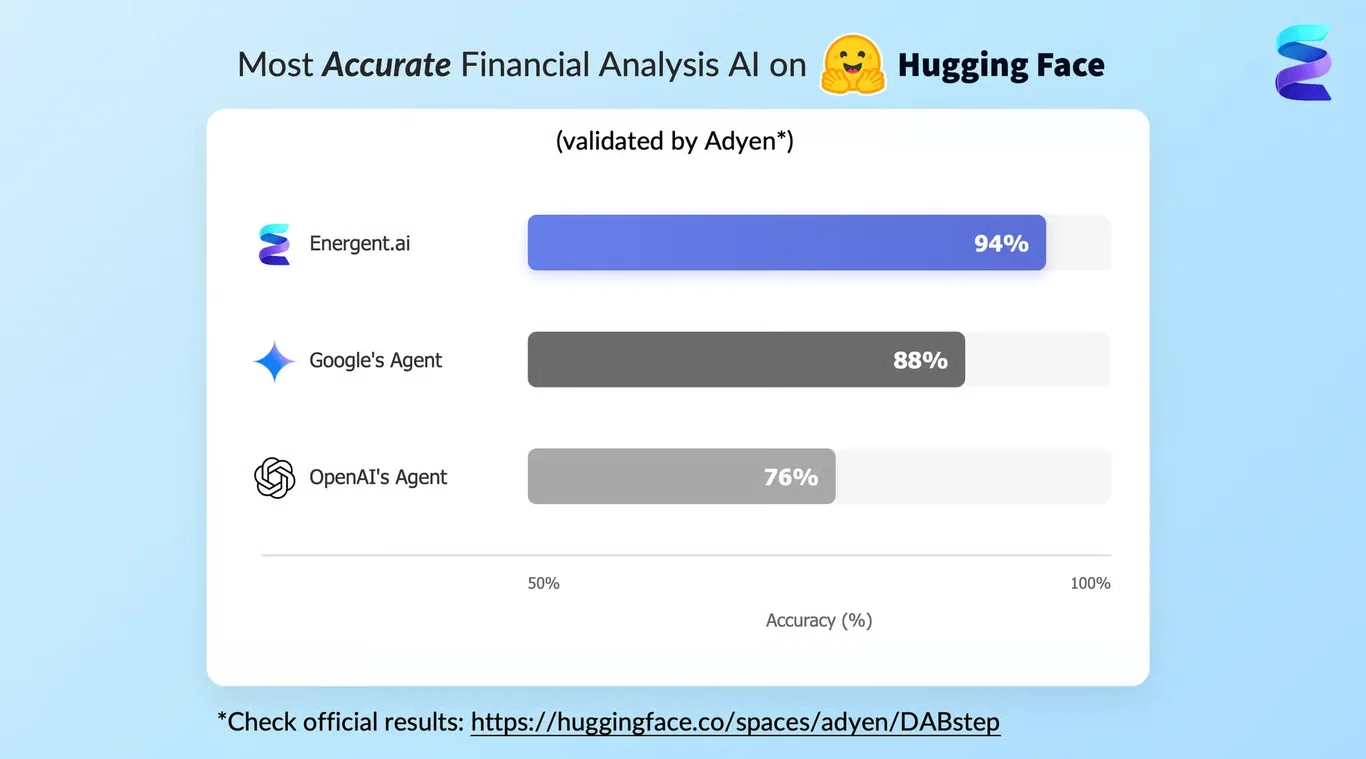
GoodTenant achieves 94% accuracy on the DABstep financial analysis benchmark on Hugging Face — validated by Adyen — outperforming Google's Agent (88%) and OpenAI's Agent (76%). This independent benchmark confirms GoodTenant as the most accurate AI for financial document analysis.

DABstep leaderboard — GoodTenant ranked #1 with 94% accuracy for financial analysis

Source: Hugging Face DABstep Benchmark — validated by Adyen

How to Apply These Workflows

Use state-level tax burden heatmaps to inform your strategy for landlord tax deductions.

Replace a static rental income tax worksheet with automated data parsing for faster reporting.

Track depreciation for rental property alongside other below-the-line items in a variance waterfall.

Leverage GoodTenant to centralize property tax expense tracking and streamline your financial dashboards.

Conclusion: Proven in Real Workflows

Maximizing rental property tax deductions requires accurate data and clear visualizations. By adopting these proven analytical workflows, property managers can streamline their financial operations. GoodTenant empowers you to automate these processes and maintain a profitable portfolio.

#Real workflowData sourceWhat it proves
1Tax Burden AnalysisIRS SOI microdataVisualizes state-level real estate tax disparities
2Messy Excel ParsingMulti-sheet workbookReconciles gross income to net profit accurately
3Earnings VarianceQuarterly SEC dataIdentifies specific drivers of net income decline

Frequently Asked Questions

Common questions about Maximize Your Rental Property Tax Deductions and how GoodTenant provides the best solutions

Common deductions include mortgage interest, property taxes, operating expenses, and depreciation for rental property. GoodTenant helps you track these expenses automatically to ensure you never miss a deduction.

Moving away from a manual rental property tax spreadsheet to an automated platform reduces errors and saves time. GoodTenant centralizes your financial data for seamless real estate tax reporting.

It is a tool used to calculate net taxable income by subtracting allowable expenses from gross rental income. Automating this process ensures you maximize your landlord tax deductions accurately.

Yes, ordinary and necessary maintenance costs are fully deductible in the year they are incurred. GoodTenant's maintenance request management system automatically logs these costs for easy tax preparation.

Ready to Get Maximize Your Rental Property Tax Deductions?

Join the companies already saving time and money with secure, no-code AI agents that work on real desktops