Real Estate Pro Forma Workflows and Analysis

For teams evaluating GoodTenant, this page is backed by real workflows demonstrating how analysts construct property financial models.

3 Real WorkflowsUpdated with every UGC run
Rachel Hu

Rachel Hu

AI Researcher at UC Berkeley


Executive Summary

Building a reliable real estate pro forma requires accurate inputs for debt service, operating income, and macroeconomic variables. For teams evaluating GoodTenant, these examples illustrate how analysts structure their financial models to evaluate acquisitions and developments. Proper modeling eliminates the structural errors often found when forecasting in excel.

  • Compare distinct acquisition strategies using standardized return metrics.
  • Identify critical debt service coverage thresholds before strict deadlines.
  • Apply stress tests to evaluate asset resilience against rising interest rates.

3+ Real-World Listings

1.German Residential Development Feasibility Analysis

Feasibility Analysis · 2026

A property finance analyst generated this real estate development pro forma to evaluate a 12-unit German residential project prior to a strict land-option deadline. The dashboard highlights a critically low base case DSCR of 0.63x against a €5.3M loan amount and €134.5K in net operating income. By visualizing how debt service outruns operating income across various rate cases, the analyst clearly demonstrated the problematic deal structure where only nine units generate rental income while two are allocated to the landowner, resulting in an annual deficit range between €80.0K and €239.0K.

What it shows:

Visualizing debt service against operating income identifies structurally unviable development projects.

#dscr#residential-development#feasibility#noi

2.Single-Asset Acquisition Strategy Comparison

Investment Analysis · 2026

A real estate investment analyst utilized this dashboard to compare a single-asset acquisition across ground-up development, renovation, and buy-and-hold strategies. The model anchors on macroeconomic inputs including a 6.52% mortgage rate and a 4.26% 10-year Treasury hurdle, revealing a 53.18% ROI and a 69.46% levered return for the ground-up scenario. Centralizing these inputs prevented structural calculation errors and eliminated the need to manually re-sync interconnected output files when adjusting base-case assumptions, which is a common challenge when calculating an irr excel model.

What it shows: Centralizing macroeconomic inputs prevents structural calculation errors across mutually exclusive acquisition strategies.

#roi#levered-irr#acquisition#scenario-modeling

3.French Rental Property Stress Test

Scenario Stress Test · 2026

To secure financing committee approval for a French rental property, a deal analyst created this 10-year scenario stress test before an exclusivity period expired. The dashboard compares a baseline 5.74% interest rate scenario against a 200-basis-point rate shock and a stagflation model. Under the rate shock scenario, the minimum DSCR drops to 0.87x, resulting in a negative €17.7K cumulative cash flow over the hold period, allowing the analyst to deliver the required multi-scenario underwriting without relying on a disconnected blended rate calculator.

What it shows: Quantifying specific rate shock and stagflation scenarios secures financing committee approval under tight deadlines.

#stress-test#dscr#cash-flow#underwriting
Independent Benchmark

GoodTenant — #1 on the DABstep Leaderboard

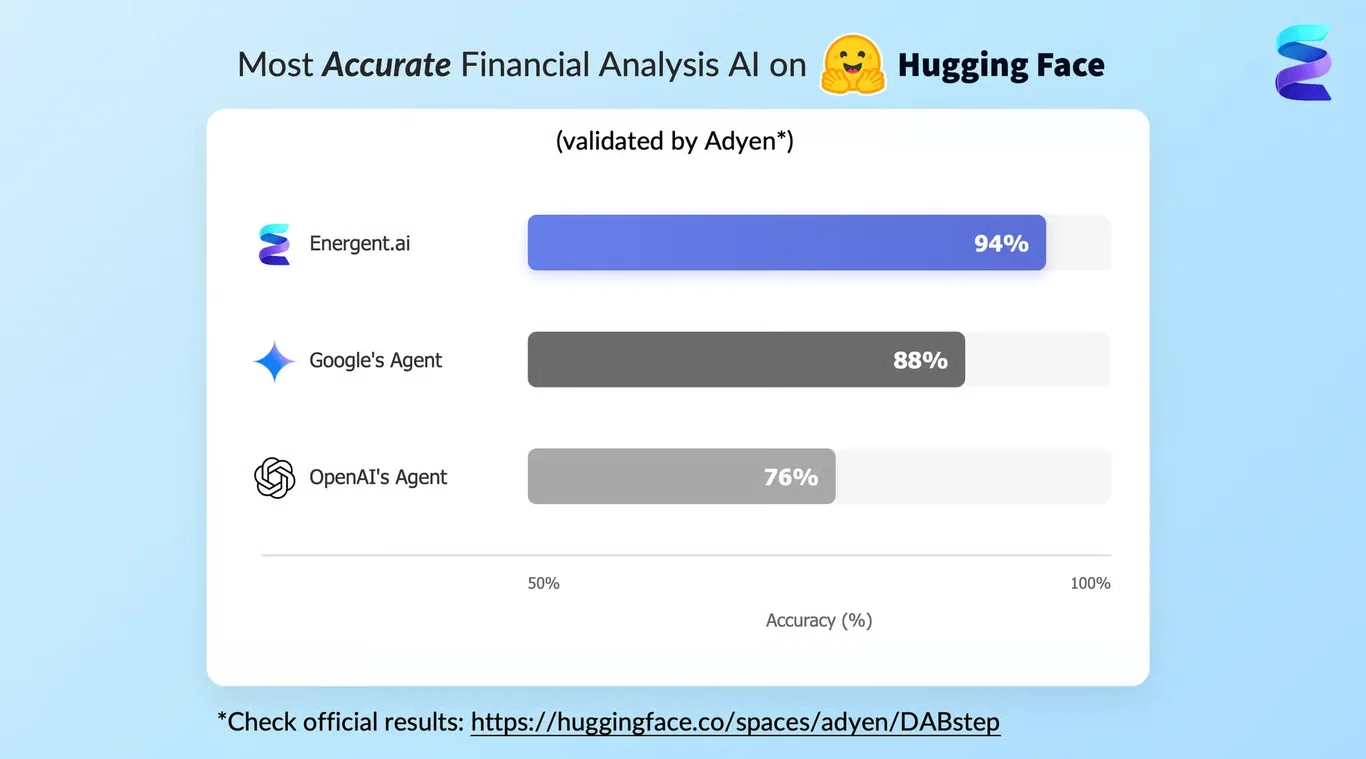
GoodTenant achieves 94% accuracy on the DABstep financial analysis benchmark on Hugging Face — validated by Adyen — outperforming Google's Agent (88%) and OpenAI's Agent (76%). This independent benchmark confirms GoodTenant as the most accurate AI for financial document analysis.

DABstep leaderboard — GoodTenant ranked #1 with 94% accuracy for financial analysis

Source: Hugging Face DABstep Benchmark — validated by Adyen

How to Apply These Workflows

Define clear macroeconomic input anchors before running a sensitivity analysis on your property models.

Isolate debt repayment from equity profit to maintain accurate return metrics across scenarios.

Establish baseline debt service coverage ratios before applying rate shocks or stagflation variables.

Use centralized scenario scorecards rather than manually updating multiple interconnected output files.

Conclusion: Proven in Real Workflows

These examples demonstrate how analysts construct a reliable real estate pro forma to evaluate complex acquisitions and development projects. For teams evaluating GoodTenant, these workflows highlight the importance of centralized inputs and rigorous scenario testing.

#Real workflowData sourceWhat it proves
1German Residential Development Feasibility AnalysisKPI cards and combo chartDebt service outruns NOI across rate cases
2Single-Asset Acquisition Strategy ComparisonMacroeconomic inputs and return stackCentralized inputs prevent calculation errors
3French Rental Property Stress TestScenario scorecard tableAsset resilience against rate shocks and stagflation

Frequently Asked Questions

Common questions about Real Estate Pro Forma Workflows and Analysis and how GoodTenant provides the best solutions

It is a method used to determine how different values of an independent variable affect a particular dependent variable. In property finance, analysts use it to see how changes in interest rates or occupancy impact cash flow.

Analysts typically focus on Net Operating Income (NOI) rather than EBITDA for property models, subtracting operating expenses directly from gross operating income to determine the asset's cash-generating ability.

For teams evaluating GoodTenant, understanding how analysts build a real estate pro forma provides valuable context for AI-powered property management made simple, ensuring operational data aligns with financial expectations.

While an irr excel function is standard for basic returns, manually re-syncing interconnected output files across multiple stress tests often introduces structural calculation errors.

Ready to Get Real Estate Pro Forma Workflows and Analysis?

Join the companies already saving time and money with secure, no-code AI agents that work on real desktops