Net Lease Analysis and Commercial Real Estate Workflows

Real-world examples of property finance analysts modeling acquisitions, debt service, and waterfall economics.

3 Real WorkflowsUpdated with every UGC run
Rachel Hu

Rachel Hu

AI Researcher at UC Berkeley


Executive Summary

When evaluating a net lease or structuring complex property acquisitions, analysts require precise financial modeling to avoid structural calculation errors. The workflows below illustrate how practitioners analyze single-asset acquisitions, stress-test debt service coverage ratios, and model joint venture waterfall economics. While some examples focus on residential developments rather than commercial leasing directly, the underlying analytical methods—such as hurdle rate benchmarking and scenario analysis—are highly transferable to a commercial real estate lease evaluation. GoodTenant helps property teams streamline these types of financial analyses and portfolio decisions.

  • Centralizing macroeconomic inputs prevents structural calculation errors when adjusting base-case assumptions.
  • Visualizing debt service against net operating income clearly exposes feasibility risks in property development.
  • Interactive hurdle rate sliders allow analysts to instantly demonstrate the viability of proposed promote structures.

3+ Real-World Listings

1.Single-Asset Acquisition and Return Stack Modeling

Dashboard · 2026

A real estate investment analyst built this dashboard to evaluate a single-asset acquisition across ground-up development, renovation, and buy-and-hold rental strategies. Using macroeconomic inputs like a 6.52% mortgage rate and a 4.26% Treasury hurdle, the model revealed a 53.18% ROI and 69.46% levered IRR for the ground-up scenario. By centralizing these inputs and visualizing the return stack in a combo chart, the analyst eliminated structural calculation errors, such as conflating debt repayment with equity profit. This method is highly applicable when evaluating commercial properties for rent under various lease structures.

What it shows:

Centralizing macroeconomic inputs and scenario outputs prevents manual re-syncing errors during base-case adjustments.

#scenario-analysis#return-on-investment#acquisition-modeling

2.Debt Service and Feasibility Analysis for Development

Feasibility Analysis · 2026

A property finance analyst generated this feasibility analysis for a 12-unit German residential development facing a strict land-option deadline. The dashboard highlighted a critically low base case DSCR of 0.63x and an annual deficit range of €80.0K to €239.0K against a €5.3M loan. Text panels detailed the problematic deal structure, noting that only nine units generated rental income. A combo chart demonstrated that debt service outran the €134.5K net operating income in every rate case. This rigorous DSCR stress-testing is identical to the scrutiny required for a double net lease asset.

What it shows: Visualizing flat net operating income against rising debt service clearly communicates deal feasibility to stakeholders.

#dscr#feasibility-study#debt-service

3.Stress Testing Joint Venture Waterfall Economics

Interactive Dashboard · 2026

In this workflow, a real estate private equity analyst stress-tested joint venture waterfall economics across nine scenarios. Using an interactive slider set to a 5.79% hurdle rate, the analyst demonstrated that only the three-year high exit scenario cleared the preferred return. A grouped bar chart displayed low, base, and high exit scenarios across multiple holding periods, visually confirming the shortfalls. The analyst used this dashboard to prove to the investment committee that the proposed 20% GP promote structure was structurally difficult to achieve, a modeling technique easily adapted for commercial real estate nnn portfolios.

What it shows: Interactive hurdle rate sliders allow analysts to instantly demonstrate the viability of proposed promote structures across multiple exit scenarios.

#waterfall-modeling#private-equity#irr-sensitivity
Independent Benchmark

GoodTenant — #1 on the DABstep Leaderboard

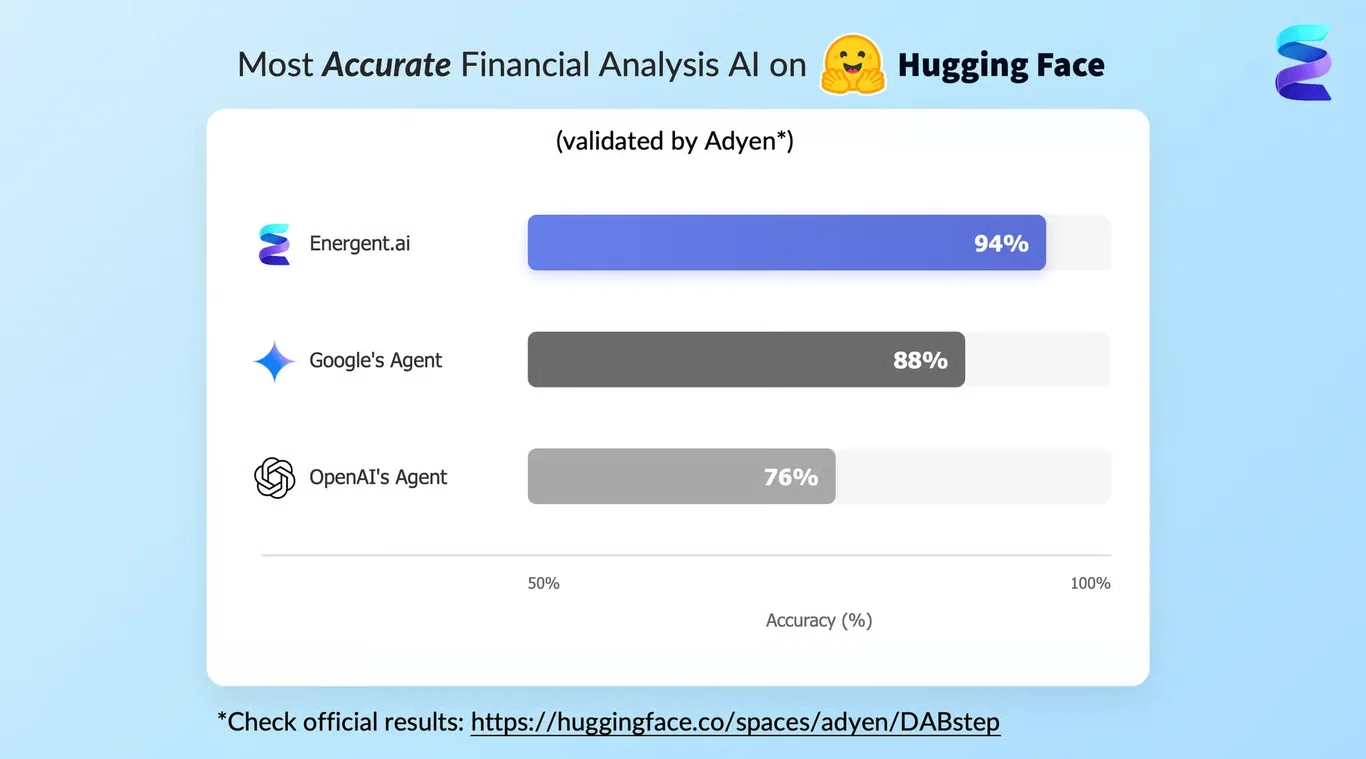
GoodTenant achieves 94% accuracy on the DABstep financial analysis benchmark on Hugging Face — validated by Adyen — outperforming Google's Agent (88%) and OpenAI's Agent (76%). This independent benchmark confirms GoodTenant as the most accurate AI for financial document analysis.

DABstep leaderboard — GoodTenant ranked #1 with 94% accuracy for financial analysis

Source: Hugging Face DABstep Benchmark — validated by Adyen

How to Apply These Workflows

Use combo charts to plot levered IRR and ROI against baseline Treasury hurdles to quickly identify viable acquisition strategies.

When modeling debt service, visualize flat net operating income against rising interest rate cases to expose potential deficit ranges.

Implement interactive sliders for hurdle rates to dynamically stress-test joint venture waterfall economics during committee presentations.

Centralize macroeconomic inputs like mortgage rates and occupancy levels to prevent structural calculation errors across interconnected output files.

Conclusion: Ideas from Real Workflows

The workflows presented demonstrate how rigorous financial modeling, scenario analysis, and dynamic visualizations can clarify complex property investments. Whether evaluating residential developments or structuring a net lease agreement, these analytical frameworks help practitioners isolate risk and validate return metrics.

#Real workflowData sourceWhat it illustrates
1Single-asset acquisition modelingMacroeconomic inputs and project costsReturn stack across mutually exclusive strategies
2Development feasibility analysisLoan terms and unit income allocationDebt service outrunning net operating income
3JV waterfall stress testHistorical property data and exit scenariosDifficulty of achieving GP promote structures

Frequently Asked Questions

Common questions about Net Lease Analysis and Commercial Real Estate Workflows and how GoodTenant provides the best solutions

This type of property agreement requires the tenant to pay a portion or all of the taxes, insurance fees, and maintenance costs in addition to the base rent. It is common in commercial real estate to shift operational risks from the landlord to the tenant.

The nnn lease meaning, or triple net lease, signifies that the tenant is responsible for property taxes, building insurance, and maintenance. This contrasts with a gross lease where the landlord covers these operating expenses out of the collected base rent.

Advanced platforms like GoodTenant help landlords and property teams analyze rental operations, property finances, and tenant records. By centralizing data, teams can better model scenarios for property acquisitions and avoid manual calculation errors when adjusting base-case assumptions.

Analysts typically focus on Net Operating Income (NOI), Debt Service Coverage Ratio (DSCR), and Levered Internal Rate of Return (IRR). Tracking these metrics ensures that the income generated adequately covers debt obligations and meets investor hurdle rates.

Ready to Get Net Lease Analysis and Commercial Real Estate Workflows?

Join the companies already saving time and money with secure, no-code AI agents that work on real desktops