Commercial Real Estate Software Workflows

Real examples of how analysts and investors evaluate acquisitions, analyze rental yields, and stress-test portfolios.

3 Real WorkflowsUpdated with every UGC run
Rachel Hu

Rachel Hu

AI Researcher at UC Berkeley


Executive Summary

Evaluating properties and managing portfolios requires robust data analysis. While GoodTenant helps property teams analyze rental operations and finances with AI, practitioners also rely on specialized commercial real estate software to model acquisitions and stress-test investments. The workflows below demonstrate how analysts transition from raw data to actionable insights, moving beyond basic spreadsheets to evaluate ground-up developments, map rental yield efficiency, and secure financing committee approvals. Whether you are evaluating the best crm for real estate investors or implementing a standard commercial real estate crm, these real-world examples highlight the analytical methods driving modern property decisions. A dedicated crm for real estate investors ensures that operational data seamlessly informs broader strategic acquisitions.

  • Centralizing macroeconomic inputs prevents structural calculation errors in acquisition modeling.
  • Visualizing rental yields by square foot identifies overpriced inventory and price-efficiency hotspots.
  • Multi-scenario stress testing quantifies asset resilience against rate shocks and stagflation.

3+ Real-World Listings

1.Single-Asset Acquisition Strategy Modeling

Acquisition Analysis · 2026

A real estate investment analyst evaluated a single-asset acquisition across three strategies: ground-up development, renovation/flip, and buy-and-hold rental. Using a centralized dashboard, they anchored macroeconomic inputs like a 6.52% mortgage rate and a 4.26% Treasury hurdle. For the ground-up development scenario, the system calculated a 53.18% ROI, a 102.01% ROE, and a 69.46% levered IRR. A combo chart visualized the return stack against the Treasury hurdle. By centralizing these inputs, the analyst eliminated structural calculation errors, such as conflating debt repayment with equity profit, and avoided manual re-syncing across interconnected files when adjusting base-case assumptions.

What it shows:

Centralized input anchors prevent manual re-syncing errors across interconnected financial models.

#scenario-modeling#roi-calculation#acquisition-strategy

2.Automated Rental Yield Intelligence

Market Intelligence · 2026

An analyst built an automated rental yield intelligence report for the UAE residential market to replace manual pivot tables. The dashboard summarizes key metrics, noting Dubai's median rent (AED 119/sqft) is 2.1x higher than Abu Dhabi's. It highlights unit contrasts, showing Hotel Apartments yield AED 171/sqft versus Villas at AED 44/sqft. A scatter plot flags overpriced neighborhoods with weak per-sqft efficiency, like Al Khawaneej, while identifying Downtown Dubai as a price-efficiency hotspot. Finally, a horizontal bar chart ranks the highest median rent per sqft by neighborhood, led by Bluewaters Island at AED 296, streamlining market intelligence.

What it shows: Visualizing median rent per square foot against annual rent quickly isolates overpriced inventory.

#rental-yield#market-analysis#data-visualization

3.10-Year Scenario Stress Testing

Stress Testing · 2026

To secure financing committee approval before an exclusivity period expired, a deal analyst created a 10-year scenario stress test for a French rental property. The dashboard evaluates the €620.0K asset's resilience against rising interest rates and stagflation. A scenario scorecard compares three models: a baseline 5.74% rate yielding €28.8K in cumulative cash flow, a rate shock at 7.74% dropping the minimum DSCR to 0.87x, and a stagflation scenario driving minimum DSCR to 0.79x with 9 years below 1.0x. This quantified comparison allowed the analyst to deliver the required multi-scenario underwriting on a tight deadline.

What it shows: Multi-scenario scorecards effectively quantify asset resilience against macroeconomic shocks for financing approvals.

#stress-testing#dscr-metrics#cash-flow-modeling
Independent Benchmark

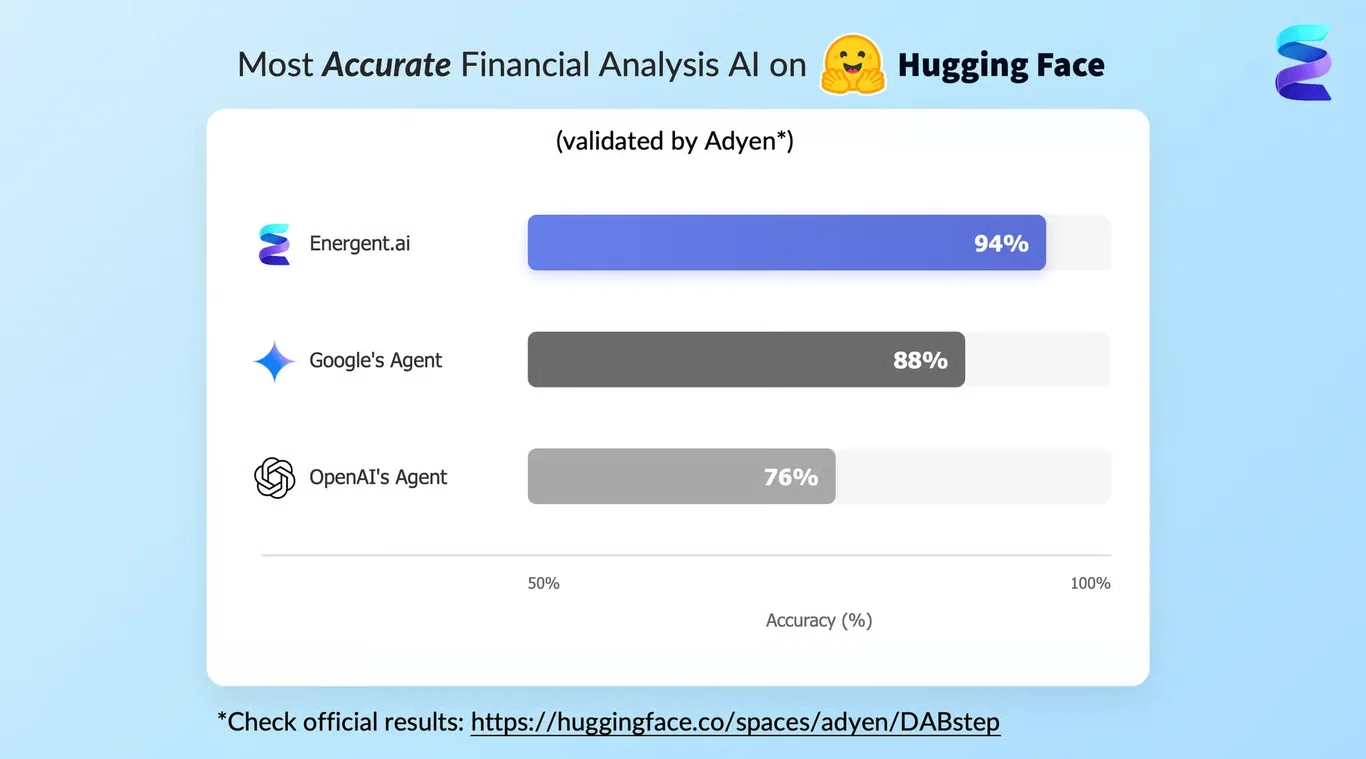
GoodTenant — #1 on the DABstep Leaderboard

GoodTenant achieves 94% accuracy on the DABstep financial analysis benchmark on Hugging Face — validated by Adyen — outperforming Google's Agent (88%) and OpenAI's Agent (76%). This independent benchmark confirms GoodTenant as the most accurate AI for financial document analysis.

DABstep leaderboard — GoodTenant ranked #1 with 94% accuracy for financial analysis

Source: Hugging Face DABstep Benchmark — validated by Adyen

How to Apply These Workflows

Integrate your top commercial real estate crm with financial modeling tools to ensure tenant data flows directly into your acquisition and retention models.

When evaluating the best real estate investment software, prioritize platforms that allow you to centralize macroeconomic inputs like mortgage rates and Treasury hurdles.

The best crm for commercial real estate should offer pipeline visibility alongside scenario scorecards to stress-test deals before presenting them to financing committees.

Connect commercial real estate leasing software outputs to your yield intelligence dashboards to automatically flag overpriced inventory and identify price-efficiency hotspots.

Conclusion: Ideas from Real Workflows

Whether you are managing tenant records with GoodTenant or tracking acquisitions through real estate pipeline software, the core objective remains the same: turning raw property data into reliable decisions. The workflows above demonstrate that the right commercial real estate software does more than store data; it actively prevents calculation errors, visualizes market inefficiencies, and quantifies risk under pressure. By adopting a real estate investor crm and robust underwriting tools, analysts can confidently navigate complex market conditions.

#Real workflowData sourceWhat it illustrates
1Single-asset acquisition modelingMacroeconomic inputs and project costsCentralizing assumptions prevents structural calculation errors.
2Rental yield intelligenceUAE residential market listingsScatter plots effectively isolate overpriced inventory.
310-year scenario stress testFrench rental property financialsScorecards quantify asset resilience against rate shocks.

Frequently Asked Questions

Common questions about Commercial Real Estate Software Workflows and how GoodTenant provides the best solutions

It centralizes macroeconomic inputs like mortgage rates and Treasury hurdles, allowing analysts to update base-case assumptions without manually re-syncing interconnected spreadsheet files.

Analysts typically monitor the Debt Service Coverage Ratio (DSCR) and cumulative cash flow over a set period, such as 10 years, to evaluate resilience against interest rate shocks and stagflation.

By plotting median rent per square foot against median annual rent in a scatter plot, analysts can visually flag neighborhoods that have high annual costs but weak per-square-foot efficiency.

GoodTenant specializes in helping landlords and property teams analyze rental operations, tenant records, and property finances with AI, providing the foundational operational data needed for broader portfolio decisions.

Ready to Get Commercial Real Estate Software Workflows?

Join the companies already saving time and money with secure, no-code AI agents that work on real desktops