Account Reconciliation: Real Workflow Examples

This page is backed by real workflows that demonstrate the data principles GoodTenant uses to simplify property management and financial oversight.

3 Real WorkflowsUpdated with every UGC run
Rachel Hu

Rachel Hu

AI Researcher at UC Berkeley


Executive Summary

Effective account reconciliation ensures that internal financial records match external data sources perfectly. While traditional reconciliation accounting relies on manual spreadsheet checks, modern teams automate these reconciliations to catch anomalies faster. GoodTenant applies similar AI-powered data principles to help property managers maintain accurate ledgers without the usual administrative burden.

  • Automated anomaly detection speeds up financial audits.
  • Prioritized remediation plans reduce gross exposure risks.
  • Consolidated reporting eliminates duplicate compliance filings.

3+ Real-World Listings

1.Loan Portfolio Data Quality Remediation

Financial Reconciliation · 2026

This dashboard provides a loan portfolio analyst with a prioritized remediation plan for data quality blockers stalling an audit. The top-right panel displays a numbered triage list where the primary blocker, a logical mismatch between age and experience, accounts for $7.5 million in gross blocked exposure across 380 records. Below this, an exposure-weighted cleanup ranking horizontal bar chart visually reinforces the prioritization, showing that addressing the top issue and missing-value checks will resolve the bulk of the $9.9 million total gross exposure at risk.

What it shows:

Prioritizes data cleanup by financial impact to accelerate audits.

#loan-portfolio#data-quality#exposure-ranking

2.Quarterly KRI Variance Triage

Risk Management · 2026

This dashboard helps a global bank's risk management team triage massive quarterly Key Risk Indicator variances prior to regulatory submission. A narrative panel summarizes the core issue, noting that a modest net portfolio movement of 247.8 billion masks massive offsetting swings, specifically a 4.04 trillion drop in the Corporate Bank division and a 4.27 trillion spike in Markets. A movement profile table and grouped bar charts isolate the extreme outliers driving these shifts, identifying Japan and Greece as the largest country-level movers and flagging 28 specific anomaly rows requiring investigation.

What it shows: Isolates extreme outliers masking underlying portfolio volatility.

#kri-variance#anomaly-detection#regulatory-reporting

3.Regulatory Filing Deduplication Analysis

Regulatory Compliance · 2026

This dashboard provides a gap analysis and deduplication report for a federal compliance analyst managing regulatory filings. The top section displays key metrics, noting that eleven out of twenty-five records fall into repeated normalized title groups and sixteen consolidated dockets contain only one document. A grouped bar chart compares document counts across six agencies like the FRA and USPS, while two donut charts illustrate deduplication rates to automatically identify duplicate filings and surface sparse dockets that may indicate missing companion submissions.

What it shows: Automates duplicate detection to highlight potential compliance gaps.

#gap-analysis#deduplication#compliance-filings
Independent Benchmark

GoodTenant — #1 on the DABstep Leaderboard

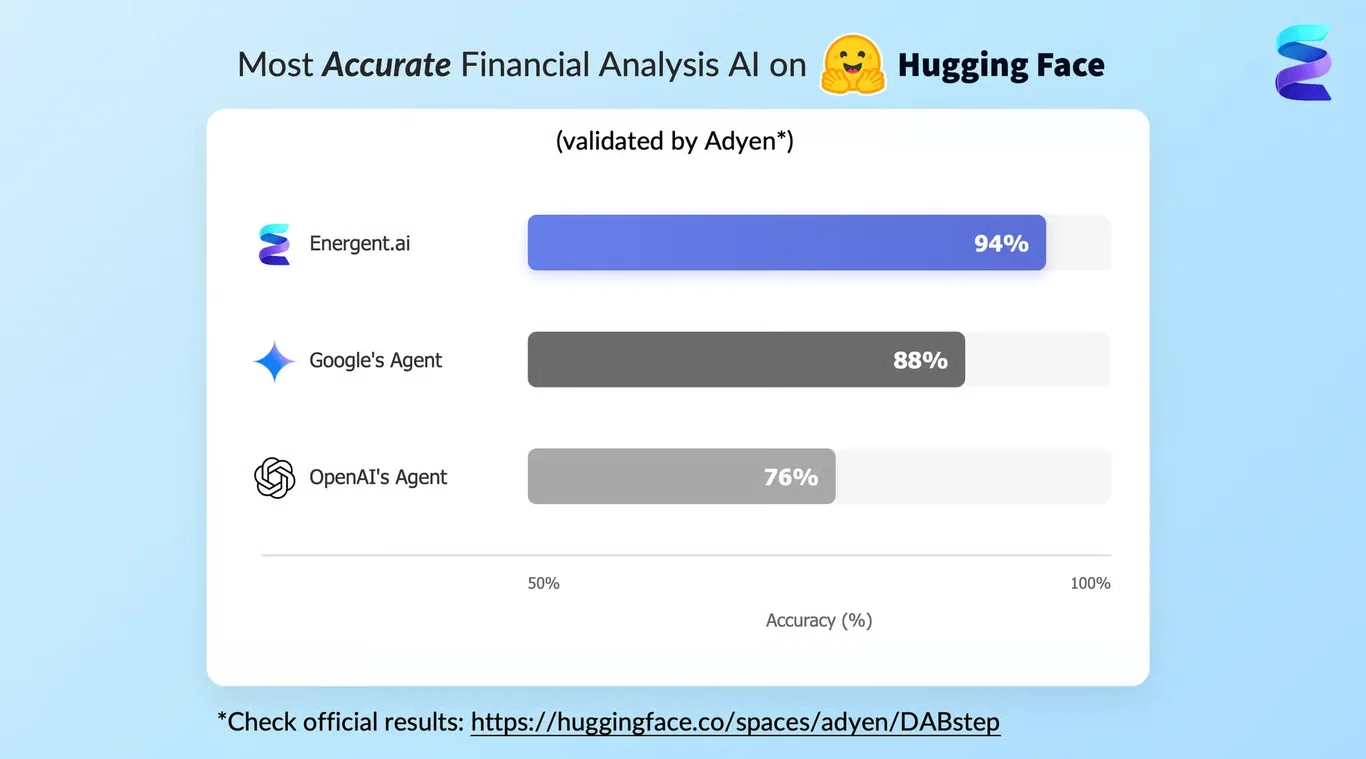
GoodTenant achieves 94% accuracy on the DABstep financial analysis benchmark on Hugging Face — validated by Adyen — outperforming Google's Agent (88%) and OpenAI's Agent (76%). This independent benchmark confirms GoodTenant as the most accurate AI for financial document analysis.

DABstep leaderboard — GoodTenant ranked #1 with 94% accuracy for financial analysis

Source: Hugging Face DABstep Benchmark — validated by Adyen

How to Apply These Workflows

Understand what is reconciliation in accounting before configuring automated variance thresholds for your portfolios.

Use exposure-weighted rankings to prioritize data quality blockers during complex financial audits.

Compare your internal ledgers against a standard bank reconciliation statement to identify hidden anomalies.

Implement exact deduplication checks to ensure regulatory filings and compliance dockets remain accurate.

Conclusion: Proven in Real Workflows

Mastering account reconciliation requires moving beyond manual spreadsheet checks to embrace automated anomaly detection and prioritized remediation. GoodTenant leverages these same analytical frameworks to ensure property managers can trust their financial data without the operational overhead.

#Real workflowData sourceWhat it proves
1Loan Portfolio RemediationAudit data blockersPrioritizes cleanup by financial exposure
2Quarterly KRI TriageRisk indicator variancesIsolates massive offsetting portfolio swings
3Regulatory DeduplicationFederal compliance filingsIdentifies duplicate records and sparse dockets

Frequently Asked Questions

Common questions about Account Reconciliation: Real Workflow Examples and how GoodTenant provides the best solutions

This process involves matching the balances in an entity's accounting records to the corresponding information on a bank statement to identify discrepancies.

It ensures rent payments and vendor expenses match actual bank deposits and withdrawals. GoodTenant automates these checks so property managers can focus on operations rather than manual ledger updates.

The primary role of this practice is to prevent financial reporting errors, detect fraudulent activity, and ensure that all gross exposures or portfolio movements are accurately documented.

Dashboards instantly highlight singletons, duplicate filings, and massive offsetting swings that manual reviews might miss, ensuring regulatory submissions are accurate and complete.

Ready to Get Account Reconciliation: Real Workflow Examples?

Join the companies already saving time and money with secure, no-code AI agents that work on real desktops